Virtual Vestry Training Event to Equip, Empower Vestries
- Written by Marti Pieper
- Length 4 minutes, 36 seconds
- Category All News & Content, Articles, Diocesan Family, Leadership
 Email
Email
Editor’s Note: The 2026 Zoom Vestry Training webinar has now concluded; please find the video recording of the event at this link.
The Rev. Canon Dr. Dan Smith and diocesan CFO Roman Franklin will host a Zoom Vestry Training webinar to strengthen collaboration between clergy and vestry members in the Episcopal Diocese of Central Florida. The session will focus on governance, financial and canonical responsibilities and practical leadership skills to better equip vestries to serve their congregations and support the church’s mission.
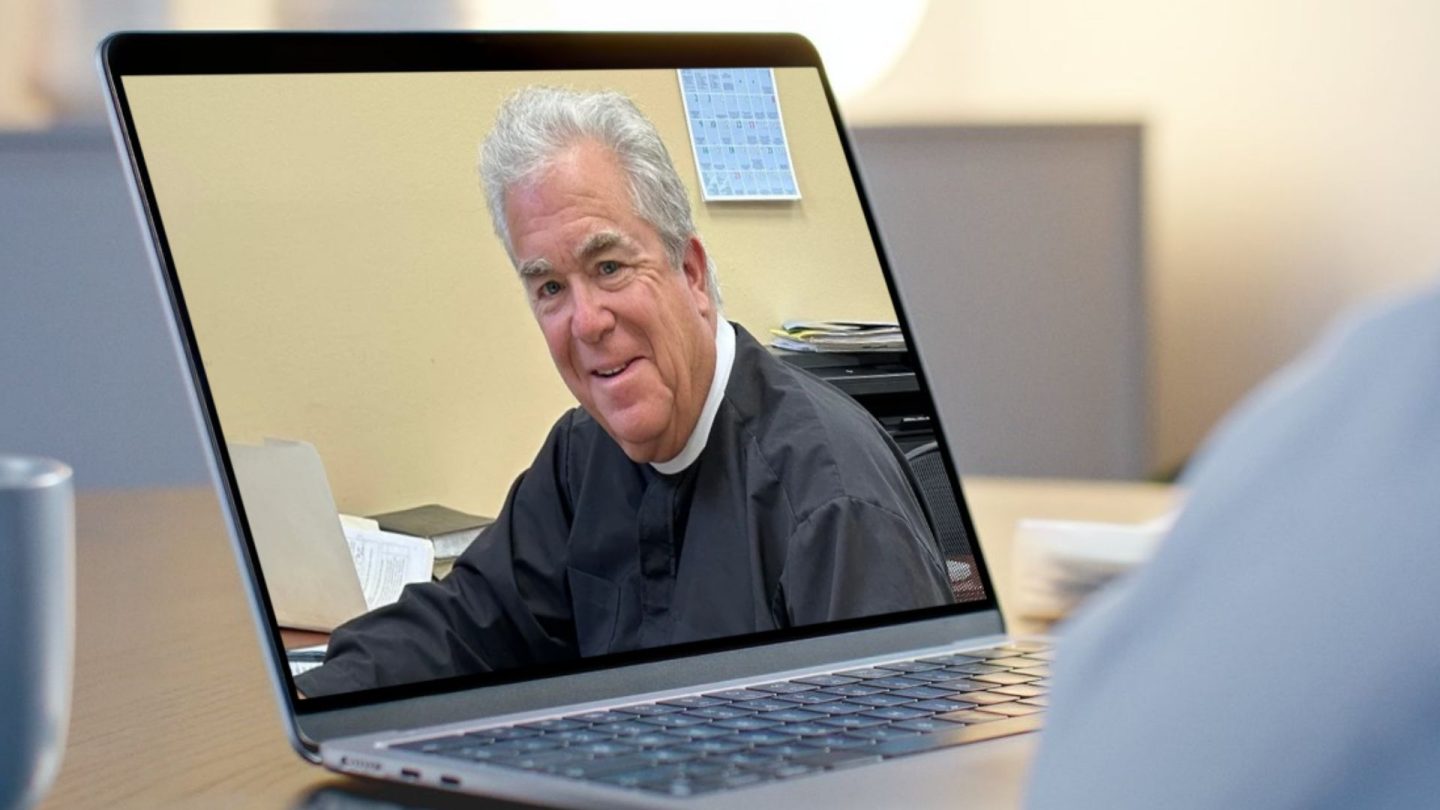
The Rev. Canon Dr. Dan Smith, canon to the ordinary, is partnering with diocesan CFO and Administrator Roman Franklin to plan and present a Zoom webinar Vestry Training for the Episcopal Diocese of Central Florida on Thursday, March 12, at 5 p.m. The training will highlight another key partnership: that between clergy and vestry.
“Roman and I truly believe that the vestry and the priest need to join together to do the strategic planning a church needs,” Smith said. “It’s not just the vestry controlling the purse strings and the priest controlling the Prayer Book, so to speak. It’s the need to work toward a true partnership.”
This event will also set the stage for a future one. “We plan to do an in-person, live conference focused on church leadership: the types of leaders we need, what leaders need to consider and areas where a good leader can really make a difference,” he said. “It will be geared toward lay leadership, but there will certainly be topics that are germane to both clergy and laity.”
Targeting Work of the Vestry
Franklin and Smith will use their combined experience and professional expertise to present what they intend to be an informative, practical workshop. “We’ll focus on what it means to be a vestry member,” Franklin said. “I’ll speak primarily on the financial and fiduciary aspects, Canon Dan will speak more to the operational and spiritual considerations, and then we’ll both speak about the governance aspects.”
Both Franklin and Smith said they expect the virtual format, new for diocesan vestry training, will result in greater attendance and impact. “It’s not as great a time commitment as the traditional Vestry Training event,” Franklin said. “We will also have the ability to record it, making it a resource we can distribute throughout the year to those who couldn’t attend or to new vestry members who may come on later. There’s a tremendous advantage to this approach.”
Smith pointed out another advantage the webinar format offers. “Our Vestry Training event has evolved organically from vestry training to leadership training, which is different,” he said. “This webinar will give us the opportunity to target the work of the vestry specifically: the diocesan canons, the role of the vestry, the role of the clergy and how all these intertwine – some of the things that are really the nuts and bolts of serving on the vestry.”
Smith expects the presentations to last 30-35 minutes, with at least the same amount of time for scheduled Q&A afterward. Participants can influence the content by submitting their questions in advance at this link. “As much as possible, we’d like to tailor the content to the audience to make sure we’re communicating what they need to know in addition to a general overview,” Franklin said. He and Smith will incorporate some of their responses to submitted questions into their presentations; the rest will be saved for the Q&A session.
Explaining Canonical Requirements for Service
Their experience in working with vestries and clergy has informed and inspired the webinar content for both Franklin and Smith. “My biggest concern is making sure that vestry members understand what the canonical responsibilities are for serving on the vestry so they become educated on the diocesan requirements of their parishes,” Franklin said. “That way, they can be boots on the ground for the diocese in their parishes. The overall process of church governance is easier if we have parish leaders who are familiar with our canonical requirements and can assist in that process of compliance at the local level.
“Because we’re Episcopal churches, there is a specific set of rules that inform all of our work,” Smith explained. “The information we give in this webinar will help make the work of the vestry more fruitful and allow for churches to thrive. When you really know what a vestry is supposed to do, it allows you to get the job done. You can shorten the meetings. You can make those meetings happier occasions.”
Empowering Vestries for Mission
The two share an overall vision for the workshop as well. “We really intend this training to empower vestry members because there are some gaps in education and understanding of what it means to serve on the vestry and the accompanying rights, roles and responsibilities,” Franklin said. “Hopefully we’re going to demystify a lot of that with this presentation. I recommend people attend this event to understand the expectations, the risks and the rewards of serving on the vestry for your congregation.”
“What we’re trying to do is springboard people – especially new vestry members – into life on the vestry, so they can really involve themselves from the start,” Smith said. “The idea here is to make people comfortable in their role in the vestry so the congregations truly can move forward with the mission that God’s called them to.”
View the 2026 Zoom Webinar Vestry Training in its entirety at this link.
CFE Digital Digest
The CFE Digital Digest is our monthly email newsletter featuring timely news, stories, and updates between print issues of the Central Florida Episcopalian.